Suffering in Silence: Latinas Need to Talk About Miscarriage & Loss
Miscarriage is often a silent pain many Latinas go through, it shouldn't be this way

Photo: Unsplash Nick Fewings on Unsplash

There are points of inflection in our lives that change who we are forever. For me, that moment came over the last two months when I found out I was pregnant and consequently miscarried within the span of eight weeks. I was in the midst of a break-up, working on my upcoming novel, and dealing with a series of mishaps that all came together like they were out of a handbook on Murphy’s Law. Yet never in a million years was I expecting to be holding a positive pregnancy test in my hands after some pain in my left ovary led me to take an at-home test “just in case.”
Until that point, I had an almost idyllic idea of how I wanted my journey into motherhood to be once I chose to embark on it. All of that changed when I picked up the Clear Blue stick, and the two clear lines on the screen laid out an entirely new path for me. An inexplicable surge of love and hope pulsed through my body as I realized then and there that, despite my less-than-ideal circumstances, I wanted to keep my baby and be a mamá.
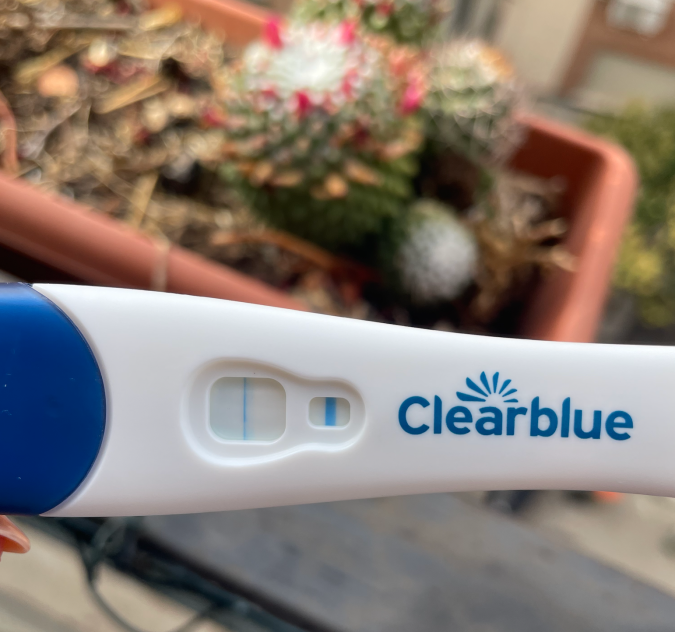
Four weeks later, at the appointment to check the fetal heartbeat, I found out I was miscarrying. Instead of seeing my baby grow over the next several months, I would be going through one of the most traumatizing and difficult experiences of my life.
A realization of motherhood
Financial stability. A partner who loves and is committed to me. A safe home. Physical health. All of these were the requirements I wanted met when I thought of becoming a mom. For most of my twenties, the idea of having a child outside of these parameters terrified me and carried on into my thirties.
Growing up with a single mom who always did her best to give me everything she could, I knew I wanted to give my child everything I didn’t grow up with. I also knew I wanted to be sure it was what I wanted before I decided to raise another human being. Up until three months ago, I’d built a life for myself I was proud of. My career was taking off, my dreams of becoming an author materializing, I had a beautiful apartment in a city that I love, and a support system many could only dream of.
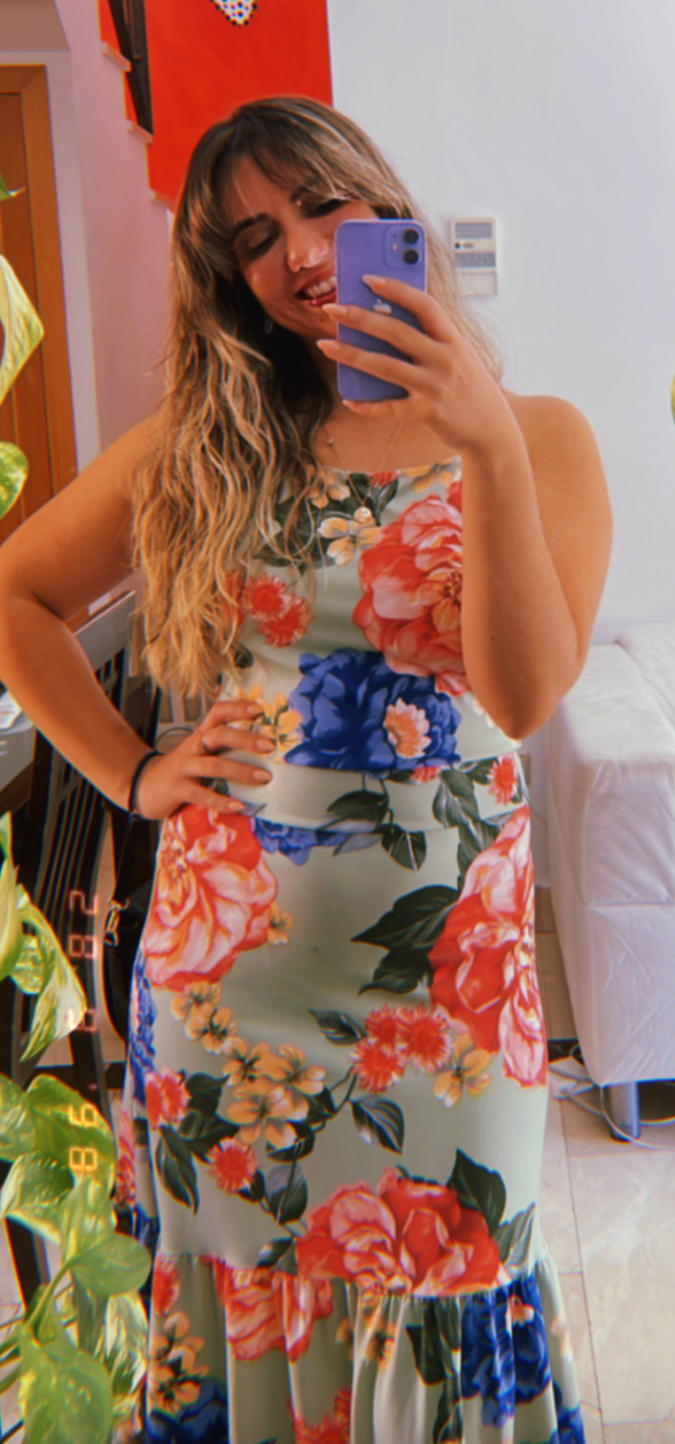
Still, motherhood intimidated me, especially the idea of doing it on my own. I had seen my mom and other single moms in my family and friend group who struggled without the support of a partner. For most of my life, I had grown immense respect for these women, being part of their support system, I just didn’t know if it was the path I would choose for myself. That is, until I came face-to-face with my pregnancy and suddenly, the only thing that mattered to me was that my baby grew into a strong and healthy human being.
Even when it didn’t align with my plans, and my ex-partner disagreed with me, I took stock of all that I did have to give to my child and moved forward with the pregnancy.
A win and a loss
Everyone prepares you for the joys of having a child, but no one speaks of the grief of losing a pregnancy. I showed up at the nearly eight-week mark of my term, ready for a sonogram that would confirm the fetal heartbeat. I remember waking up that day with a mixture of nervousness and excitement to see my baby’s heart beating. To have the doctor tell me everything was okay.
As soon as they placed the intravaginal ultrasound and I saw the concerned look on my doctor’s face, I knew something was wrong.
“It doesn’t look like it’s going to advance. I’m really sorry.” The doctor’s words hit like a sucker punch. “You can expect to miscarry in the next couple of days, and if it doesn’t progress, we can schedule you for a D&C.”
The joy of my pregnancy transformed into the panic and grief of knowing I would never see my child grow. I would not carry them in my womb. The day wouldn’t come when I would breastfeed them or see their little face for the first time. I was now part of a statistic and a group of women I later came to find out often suffered alone.
The silent grief of miscarriage
You don’t realize the miracle that is having a healthy pregnancy until you learn about the commonality of miscarriage. According to the World Health Organization, one in four pregnancies end in miscarriage, for the most part before the 20-week mark. Recent studies show that 1 in 3 Latinas experience miscarriage. The worst part is that many women suffer in silence, even when they are surrounded by friends and family, for fear of being stigmatized or misunderstood.
The day I had my miscarriage, and the weeks that have come after, will forever live in me as one of the most scarring experiences of my life. Despite being fortunate to have a support system that is still holding me up, there are many days in which the grief is so big that no one, except perhaps people who have gone through it, understands.
Whether it happens spontaneously, consciously (as was in my case), or through medical intervention, miscarriage opens a wound that most women I’ve talked to say goes on with you forever.
There is the physical aspect. Going from the illusion of being pregnant to the bleeding, pain, and consequent hormonal transition is grueling. For me, after a week of miscarrying, the levels of prolactin spiked before going away, causing my breasts to lactate, and my heart to break over and over again. A month after miscarrying, my body is still not the same, but slowly assimilating to our new reality.
In tandem, there is the psychological piece. The grief no one can save you from and no one talks about. The denial that this happened to you, that perhaps there is a chance that it isn’t true. I did not have any pain or bleeding after my doctor’s appointment until at least a week later, giving me a hope that never came to be.
The anger, feeling like your body failed you, wondering why it happened to you, blaming circumstances outside of your control, hating others for telling you that “everything happens for a reason.” The fear that there could be something wrong with your reproductive organs, and you may not have the opportunity to have a child ever again.
Then comes the depression. A sadness that envelops you in a way that almost doesn’t even make sense. You run into babies and pregnant women, and even though you want to feel happy for them, you remember that you’re suffering the loss of that, and it sends you into your own corner of hell. How could something so small have such a great impact on your life? There are still days when people ask me how I’m doing, and I tell them I don’t recognize the person I am anymore. And to be fair, it’s because I don’t think I’ll ever be her again. And that’s also okay.
We need to speak about miscarriage
As a writer and journalist, I know that telling stories has the power to open subjects that were once held as taboo. The day I held a goodbye ceremony for the soul of my unborn child, whom I called Mar, I considered keeping my grief to myself and not sharing it with anyone else. I found myself leaning into the fear of rejection and criticism, so many of the women going through this feel.
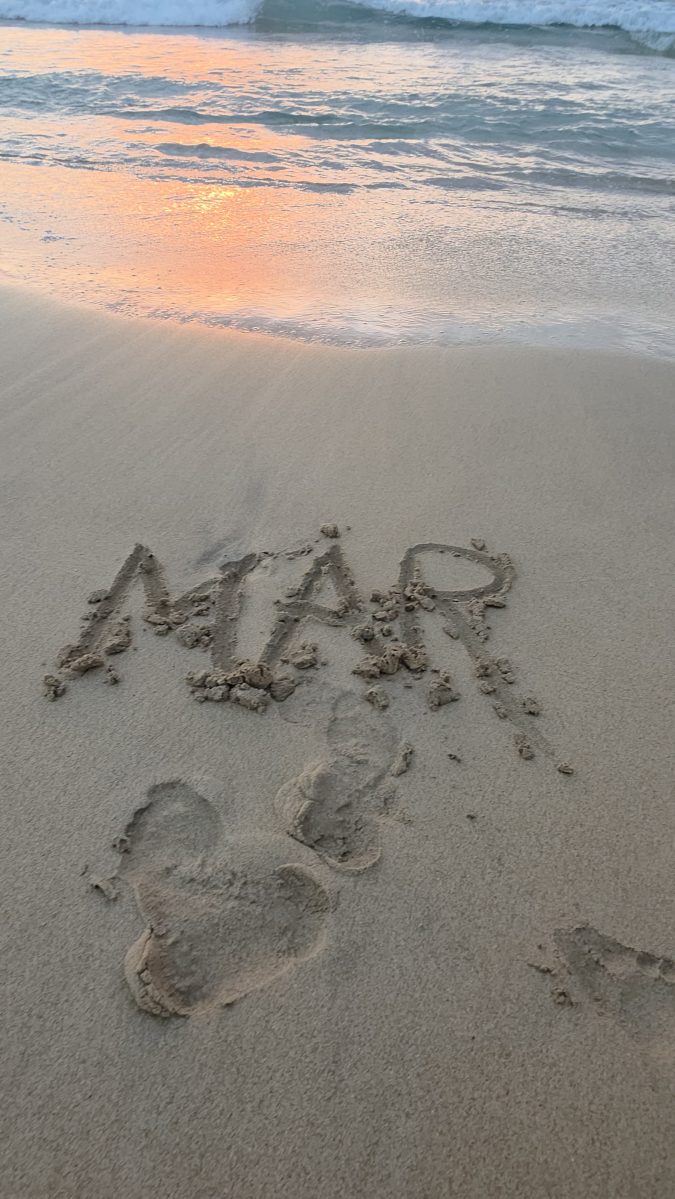
I shared an Instagram story with the letter I wrote Mar before writing her name in the sand and releasing her to the sea. I didn’t think much of it until dozens of women reached out to me with their stories. Some were women in my family, others my friends, and many were strangers.
They told me of how they suffered in silence, how miscarriage tore them apart, and the time it took for them to heal. Others shared stories of their rainbow babies, planting hope in the heart of the woman I am now, the one who knows she wants to be a mom and hopes to one day have the opportunity to have children of her own and see them grow.
Speaking of child loss, miscarriage, and stillbirth is pivotal to sustaining and supporting the women in our community. We must know we are not alone, we are not broken, and miscarriage is not our fault.


